Inflammation and Modern Food: What You Need to Know

Inflammation is a natural response of the body to injury or infection. However, in today’s world, chronic inflammation has become a common issue, often linked to various health problems. One of the significant contributors to this condition is our modern diet. Understanding the relationship between inflammation and the foods we consume is crucial for maintaining our health and well-being.
What is Inflammation?
Inflammation is the body’s defense mechanism against harmful stimuli, such as pathogens, damaged cells, or irritants. It is characterized by redness, heat, swelling, and pain. While acute inflammation is beneficial and necessary for healing, chronic inflammation can lead to serious health issues, including heart disease, diabetes, and autoimmune disorders.
Types of Inflammation
Acute Inflammation: This is a short-term response that occurs immediately after an injury or infection. It helps the body heal and fight off pathogens.
Chronic Inflammation: This is a long-term response that can last for months or years. It often results from an ongoing irritant, such as poor diet, stress, or environmental factors.
The Role of Diet in Inflammation
Our diet plays a significant role in regulating inflammation. Certain foods can promote inflammation, while others can help reduce it. Understanding which foods fall into these categories is essential for making informed dietary choices.
Foods That Promote Inflammation
Processed Foods: These often contain high levels of sugar, unhealthy fats, and additives that can trigger inflammatory responses.
Refined Carbohydrates: Foods like white bread and pastries can spike blood sugar levels, leading to increased inflammation.
Sugary Beverages: Soft drinks and energy drinks are high in sugar and can contribute to inflammation.
Trans Fats: Found in many fried and baked goods, trans fats can increase inflammation and the risk of heart disease.
Red and Processed Meats: These can contain high levels of saturated fats and preservatives that may promote inflammation.
Foods That Reduce Inflammation
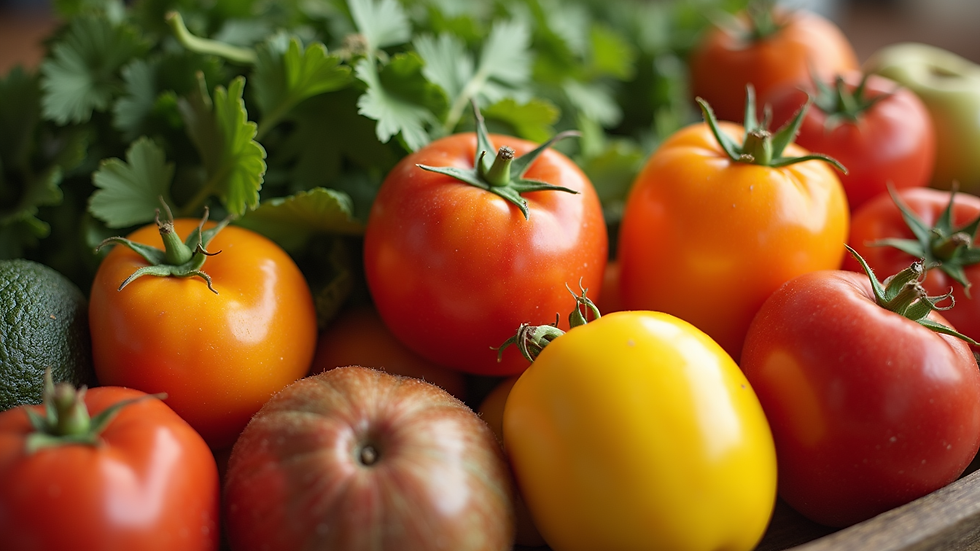
Fruits and Vegetables: Rich in antioxidants and phytochemicals, these foods can help combat inflammation. Berries, leafy greens, and cruciferous vegetables are particularly beneficial.
Fatty Fish: Salmon, mackerel, and sardines are high in omega-3 fatty acids, which have anti-inflammatory properties.
Nuts and Seeds: Almonds, walnuts, and flaxseeds are excellent sources of healthy fats and can help reduce inflammation.
Whole Grains: Foods like brown rice, quinoa, and oats are high in fiber and can help lower inflammation levels.
Olive Oil: Extra virgin olive oil contains oleocanthal, a compound that has similar effects to anti-inflammatory medications.
The Impact of Lifestyle on Inflammation
While diet is a significant factor, other lifestyle choices also influence inflammation levels. Here are some key aspects to consider:
Physical Activity
Regular exercise can help reduce inflammation by improving circulation and promoting the release of anti-inflammatory cytokines. Aim for at least 150 minutes of moderate aerobic activity each week, combined with strength training exercises.
Stress Management
Chronic stress can lead to increased inflammation. Techniques such as mindfulness, meditation, and yoga can help manage stress levels and reduce inflammation.
Sleep Quality
Poor sleep can exacerbate inflammation. Aim for 7-9 hours of quality sleep each night to support overall health and reduce inflammation.
Avoiding Smoking and Excessive Alcohol
Both smoking and excessive alcohol consumption can increase inflammation in the body. Quitting smoking and moderating alcohol intake can significantly improve health outcomes.
Understanding Food Labels
Being informed about food labels is crucial for making healthier choices. Here are some tips for reading labels effectively:
Check the Ingredients List: Look for whole foods and avoid products with long lists of ingredients, especially those that include artificial additives.
Watch for Added Sugars: Be aware of different names for sugar, such as high fructose corn syrup, cane sugar, and agave nectar.
Look for Healthy Fats: Choose products that contain healthy fats, such as olive oil or avocado oil, and avoid those with trans fats.
The Mediterranean Diet: A Model for Reducing Inflammation
The Mediterranean diet is often praised for its anti-inflammatory benefits. It emphasizes whole foods, healthy fats, and a variety of fruits and vegetables. Key components include:
Fruits and Vegetables: A wide variety of colorful produce.
Whole Grains: Such as whole wheat bread, brown rice, and quinoa.
Healthy Fats: Primarily from olive oil, nuts, and fatty fish.
Moderate Dairy: Preferably from yogurt and cheese.
Limited Red Meat: Consumed sparingly, with an emphasis on fish and poultry.
Research has shown that following a Mediterranean diet can significantly reduce inflammation markers in the body.
Supplements and Anti-Inflammatory Foods
While a balanced diet is the best way to combat inflammation, some supplements may also help. Here are a few to consider:
Omega-3 Fatty Acids: Available in fish oil supplements, these can help reduce inflammation.
Turmeric: Curcumin, the active compound in turmeric, has potent anti-inflammatory properties.
Ginger: Known for its anti-inflammatory effects, ginger can be consumed fresh, in teas, or as a supplement.
Before starting any supplements, consult with a healthcare professional to ensure they are appropriate for your needs.
Conclusion
Inflammation is a complex issue influenced by various factors, including diet and lifestyle. By understanding the foods that promote or reduce inflammation, you can make informed choices that support your health. Emphasizing whole, nutrient-dense foods while minimizing processed options can significantly impact your inflammation levels.
Take charge of your health today by making small, sustainable changes to your diet and lifestyle. Start by incorporating more anti-inflammatory foods into your meals and observing how your body responds. Your journey to better health begins with the choices you make every day.


Comments